Skip to content
Grey squirrel on a tree near a property in Kent

Grey squirrel control for Kent properties

Squirrel control in Kent

Inspection-led help when grey squirrels enter lofts, roof spaces or other buildings and cause noise, nesting or damage.

  • Homes and businesses
  • Kent-wide coverage
  • Clear inspection advice

Understanding squirrel activity

Practical help when squirrels enter a building

The grey squirrel (Sciurus carolinensis) is an agile climbing rodent that usually nests outdoors but can enter lofts and roof spaces. Once inside, nesting and gnawing may disturb insulation and damage timber, pipework or electrical wiring.

An inspection helps establish where activity is occurring, how squirrels may be gaining access and what the sensible next steps are for the property.

Common concernNoise or movement in lofts
Property typesHomes and commercial buildings
First stepInspect activity and access points
Arrange an inspection
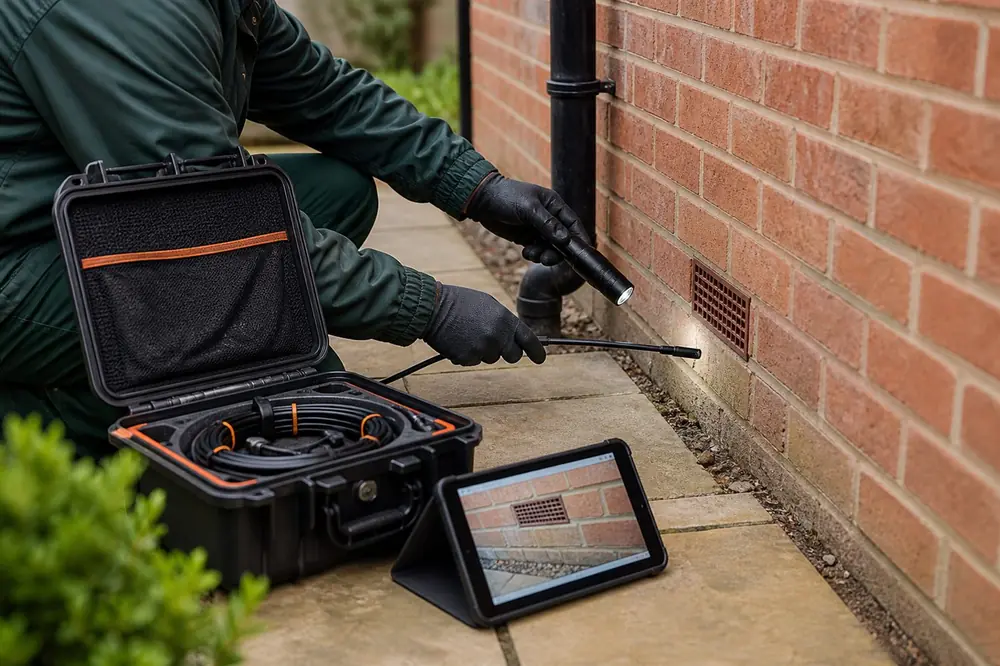
Pest controller inspecting a possible squirrel entry point at a Kent property

What to look and listen for

Common signs of squirrels in a loft or roof

Activity may be heard before an animal is seen. Note the time, location and type of noise or damage without entering an unsafe roof space.

Movement and scratching

Rapid movement, scratching or gnawing sounds from a loft, ceiling or roof space.

Disturbed insulation

Insulation may be compressed, torn or gathered for nesting material.

Gnawing or damage

Fresh marks or damage may appear on timber, stored items, pipework or wiring.

Repeated access routes

Squirrels may be seen travelling between trees, roof edges, eaves or visible openings.

Why investigate promptly

Squirrel activity can affect more than the roof space

Grey squirrels are resourceful rodents. When they settle inside a building, repeated movement, nesting and gnawing can affect materials and services around the area they occupy.

Discuss the property
01

Electrical wiring

Gnawing may damage cable coverings and should be treated as a potential safety concern.

02

Insulation and nesting

Loft insulation can be pulled apart, compressed or used as nesting material.

03

Timber and fittings

Accessible timber, pipework, stored belongings and surrounding fittings may be damaged.

04

Continuing access

If suitable entry points remain, activity may continue or return after the immediate problem.

How the service works

A clear process from first call to next steps

The appropriate response depends on the location, evidence, access and condition of the building. The team explains what is recommended after assessing the problem.

Tell us whether activity is in a loft, roof, wall, outbuilding or garden and when it is usually heard or seen.

Request squirrel control
  1. Step 01

    Tell us what is happening

    Share your postcode, property type, activity location and any noise or damage noticed.

  2. Step 02

    Inspect the relevant areas

    Evidence, likely access routes and affected parts of the property are considered.

  3. Step 03

    Explain the control plan

    Suitable control, access and safety requirements are discussed before work proceeds.

  4. Step 04

    Review and reduce recurrence

    Follow-up and appropriate proofing or prevention advice are explained where relevant.

Inspection and control

What to expect from squirrel control

The service begins with the evidence rather than a preset promise. Access, nesting, building condition and possible entry routes all influence the recommended plan.

  1. Stage 01

    Initial discussion

    The team records the signs, areas affected and any immediate safety concerns.

  2. Stage 02

    Property inspection

    Relevant roof, loft or external areas are assessed where access allows.

  3. Stage 03

    Suitable recommendation

    The proposed control approach and preparation requirements are explained clearly.

  4. Stage 04

    Follow-up and proofing advice

    Any review requirements and suitable measures to reduce future access are discussed.

What to expect

Can you confirm the method before inspecting?

The appropriate approach depends on the evidence, access and building. The team can explain likely next steps after discussing or inspecting the situation.

Should I block the entry hole first?

Seek advice before sealing an active route. Closing an opening while an animal remains inside can create a more difficult problem.

Will proofing be discussed?

Where suitable, likely access points and practical measures to reduce future entry can be explained as part of the service.

Talk to the team

Before and after the visit

Preparing for a squirrel inspection

A few observations can help the visit start efficiently. Do not enter an unsafe loft or disturb an animal to gather evidence.

Before the visit

Record useful details

  • Note when and where noises occur
  • Photograph visible external damage if safe
  • Mention children, pets, tenants or access needs
On the day

Provide safe access

  • Keep the loft hatch or relevant area accessible
  • Point out sightings, sounds and damaged materials
  • Ask before moving or touching pest evidence
After the visit

Follow the agreed advice

  • Use any written preparation guidance
  • Monitor the areas discussed
  • Report significant new activity or damage

Practical prevention considerations

Inspect roof defects

Maintain damaged soffits, fascia areas and other suitable openings after active access has been assessed.

Manage easy food sources

Use suitable bird feeders and manage spilled seed or accessible waste around the property.

Review nearby access

Where practical, consider overhanging growth and routes that provide easy movement towards vulnerable roof areas.

Domestic and commercial support

Squirrel control for homes, landlords and businesses

Squirrel activity can affect occupied homes, rental properties, managed buildings and commercial premises. Share the building type, access arrangements and affected areas so the team can plan the appropriate next step.

Discuss a property

  • 01HomeownersHelp with noises, nesting and damage in lofts and roof spaces.
  • 02Landlords and agentsClear information for occupied and managed residential properties.
  • 03Business premisesInspection-led support with access and operational needs considered.
Commercial property inspection and pest management discussion in Kent

Local service coverage

Squirrel control across Kent

Kent Pest Control supports properties throughout the county. Share your postcode and where activity has been noticed to confirm the appropriate next step.

Check your postcode
Popular service areas
  • Canterbury
  • Maidstone
  • Medway
  • Ashford
  • Dover
  • Thanet
  • Whitstable
  • Sittingbourne
  • Herne Bay
  • Deal

Outside these towns?Send your postcode to check coverage across Kent and surrounding communities.

Squirrel control FAQs

Questions about squirrels in buildings

Call the team if the activity, access or immediate safety concern is not covered below.

Call 07534 003 009 →
What are the common signs of squirrels in a loft?

Common reports include rapid movement or scratching, disturbed insulation, gnaw marks, damaged materials and squirrels repeatedly travelling towards a roof opening.

Can grey squirrels damage a property?

They may tear or compress insulation and gnaw timber, pipework, stored items or electrical cable coverings. Suspected wiring damage should be treated as a safety concern.

Should I seal the hole as soon as I find it?

Ask for advice before sealing an active route because an animal may still be inside. Suitable proofing is best considered after the activity and access point have been assessed.

Why are squirrels attracted to my garden?

Trees, shelter and accessible food such as nuts, seeds or spilled bird feed can encourage regular activity. A suitable feeder and good waste management may help reduce easy food sources.

Do you help commercial and managed properties?

Yes. The service can support homes, landlords, agents and commercial premises, subject to location, access and the activity found.

What should I tell you when I call?

Provide your postcode, property type, where the activity occurs, when it is heard or seen, and details of visible access points or damage.

Request squirrel control

Tell us about the squirrel activity

Share your postcode, property type, where the activity occurs and any noise or damage noticed. Calling is usually quickest for an immediate concern.

Request a callback

Fields marked * are required