Skip to content
Bed bug on a wooden bed frame with dark spotting nearby

Bed bug inspection and treatment across Kent

Bed bug treatment in Kent

Discreet, inspection-led help with bed bugs in homes, hotels, rental properties and other sleeping accommodation.

  • Homes and businesses
  • Kent-wide coverage
  • Clear inspection advice

Understanding the problem

Bed bugs hide close to sleeping and resting areas

Bed bugs are small, flattened insects that feed at night and hide in seams, cracks and furniture close to where people rest. They can be introduced through luggage, second-hand furniture or belongings and are not evidence of poor housekeeping.

A careful inspection may include mattress seams, bed frames, headboards, nearby furniture, luggage racks and upholstered items. Bites alone are not enough to confirm bed bugs because skin reactions vary and have other causes.

Common evidenceSpotting, skins and live insects
Typical harbourageBeds, furniture and cracks
Important stepInspect before moving items
Arrange an inspection
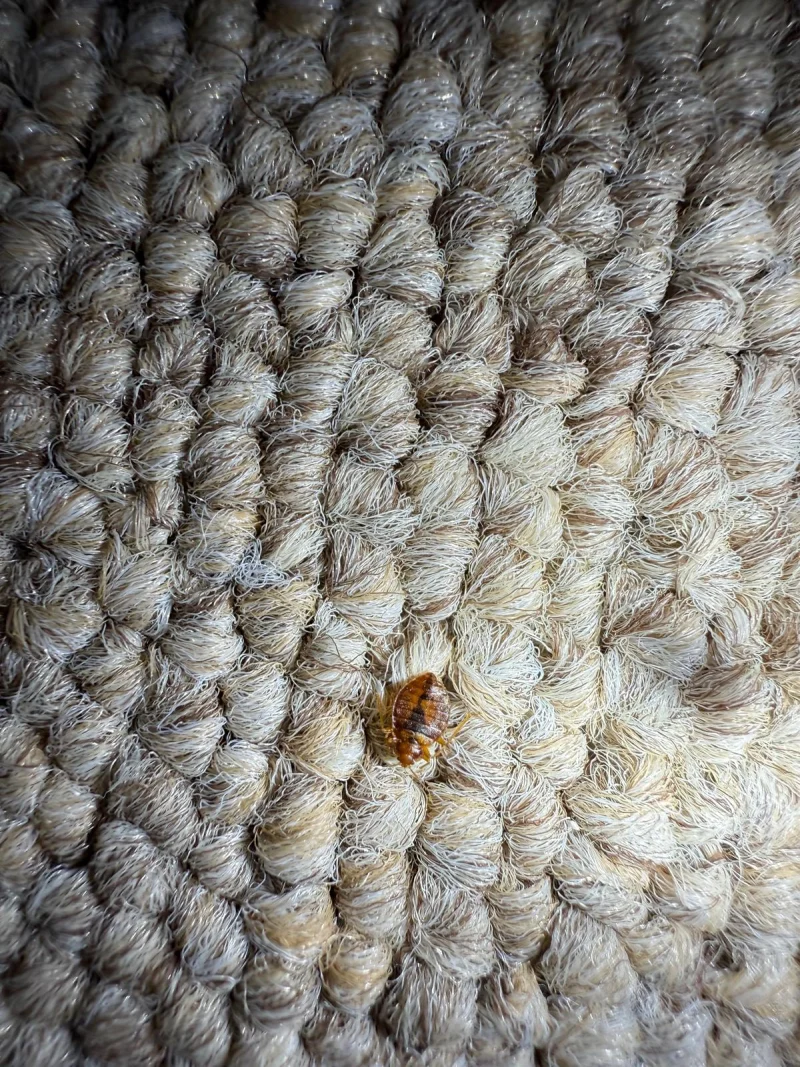
Bed bug on textured upholstery photographed during an inspection

What to look for

Common signs of bed bug activity

Use a torch and inspect methodically without moving items into another room. Clear photographs or a safely contained specimen can help identification.

Live bed bugs

Adults and young bed bugs may be found in mattress seams, bed frames or nearby cracks.

Dark spotting

Small dark marks can appear along mattress piping, headboards, frames and harbourage edges.

Shed skins and eggs

Pale cast skins or tiny eggs may be present in protected seams and crevices.

Luggage or room spread

Activity may follow travel or appear in more than one sleeping or upholstered area.

Why investigate promptly

Why bed bugs need a careful, contained response

Discreet, inspection-led help with bed bugs in homes, hotels, rental properties and other sleeping accommodation. The effect on a property depends on the pest, level of activity and area involved.

Discuss the property
01

Hidden harbourage

Bed bugs can remain in narrow seams, joints and cracks that are easy to miss.

02

Movement between rooms

Moving bedding, furniture or luggage can carry activity into unaffected areas.

03

Several life stages

Eggs, young bed bugs and adults need to be considered in the treatment and follow-up plan.

04

Accommodation disruption

Hotels, rentals and shared buildings need discreet coordination, room records and clear access.

How the service works

A clear process from first enquiry to next steps

The recommendation is based on the evidence, affected areas, access and how the property is used.

Share your postcode, property type, where activity occurs and what you have seen, heard or found.

Request Bed bug treatment
  1. Step 01

    Tell us what is happening

    Describe the signs, timing, rooms or external areas involved.

  2. Step 02

    Inspect the relevant areas

    Evidence, likely sources, access routes and property conditions are considered.

  3. Step 03

    Explain the control plan

    Suitable treatment, preparation and safety requirements are discussed.

  4. Step 04

    Review and reduce recurrence

    Follow-up and practical prevention advice is provided where relevant.

Inspection and treatment

What to expect from bed bug treatment

The plan follows inspection findings, affected rooms and the property type. Preparation should be specific to the agreed treatment rather than a generic clear-out.

  1. Stage 01

    Discuss travel and room history

    Sightings, bites, luggage, furniture and affected sleeping areas are reviewed.

  2. Stage 02

    Inspect likely harbourage

    Beds, seams, frames, headboards and nearby furniture are checked where accessible.

  3. Stage 03

    Provide a treatment plan

    Preparation, access, laundry and safety instructions are explained clearly.

  4. Stage 04

    Monitor and follow up

    Review timing and signs to watch for are set out for the agreed service.

What to expect

Should I throw away my mattress?

Not automatically. Ask for advice before discarding or moving furniture because this can spread bed bugs and create unnecessary cost.

Do I need to empty the whole room?

Preparation depends on the inspection and proposed treatment. Follow the page-specific instructions rather than moving everything by default.

Will one visit always be enough?

Requirements vary with the extent of activity, access and treatment plan. Any follow-up expectation will be explained.

Talk to the team

Before and after the visit

Preparing for a bed bug inspection or treatment

Do not move loose belongings into unaffected rooms. Keep potentially affected items contained and wait for the preparation instructions supplied for the service.

Before inspection

Preserve useful evidence

  • Photograph spotting or insects
  • Keep luggage and items contained
  • Do not move furniture between rooms
Before treatment

Follow the supplied list

  • Use only the stated laundry guidance
  • Prepare beds and floor edges as instructed
  • Mention children, pets and sensitivities
After treatment

Monitor carefully

  • Follow re-entry and cleaning guidance
  • Avoid introducing untreated items
  • Report signs according to the review plan

Practical prevention considerations

Check travel rooms

Inspect mattress seams, headboards and luggage areas before unpacking where practical.

Manage luggage carefully

Keep cases off beds and inspect or clean them before storage after travel.

Inspect second-hand items

Check used beds, furniture and textiles carefully before bringing them indoors.

Domestic and commercial support

Bed bug control for homes, hotels and rentals

Bed bugs can affect domestic bedrooms, hotels, guest accommodation, rental properties and supported housing. Discretion, room records and coordinated access matter.

Discuss a property
  • 01Homes and flatsInspection and treatment planning for bedrooms and resting areas.
  • 02Hotels and accommodationDiscreet room assessment with operational needs considered.
  • 03Landlords and managersClear preparation and access information for occupied properties.
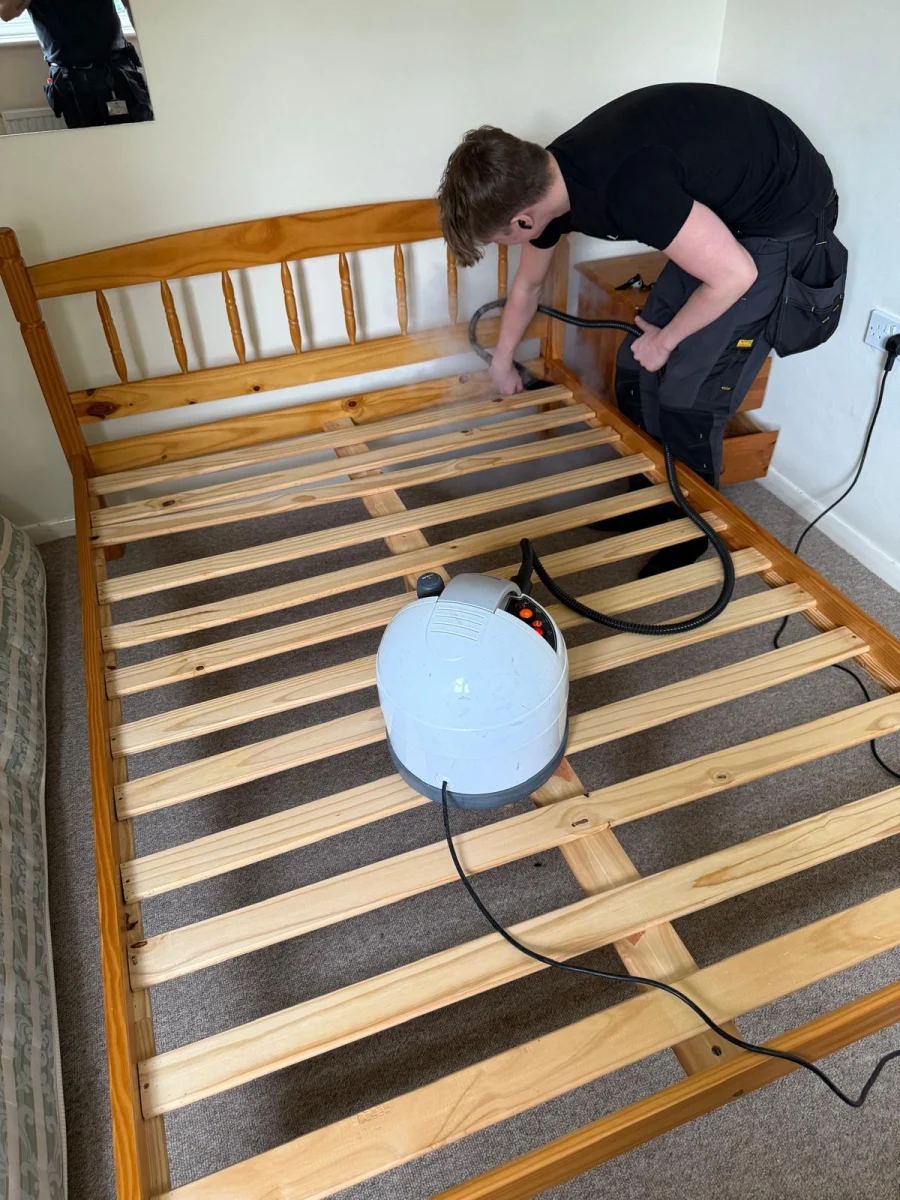
Technician applying steam to the joints of a wooden bed frame

Local service coverage

Bed bug treatment across Kent

Kent Pest Control supports properties throughout the county. Share your postcode and the affected area to confirm the appropriate next step.

Check your postcode
Popular service areas
  • Canterbury
  • Maidstone
  • Medway
  • Ashford
  • Dover
  • Thanet
  • Whitstable
  • Sittingbourne
  • Herne Bay
  • Deal

Outside these towns?Send your postcode to check coverage across Kent and surrounding communities.

Bed bug treatment FAQs

Questions about bed bugs and treatment

Call the team if your activity, access or safety concern is not covered below.

Call 07534 003 009 →
What are the main signs of bed bugs?

Look for live insects, dark spotting, shed skins or eggs around mattress seams, bed frames, headboards and nearby furniture.

Are bites proof of bed bugs?

No. Bite reactions vary and other causes are possible. Physical evidence and inspection are needed for reliable identification.

Can bed bugs travel in luggage?

Yes. Luggage and belongings can carry bed bugs between accommodation and homes, so careful inspection and containment are useful.

Should I move to another bedroom?

Ask for advice first. Moving rooms and belongings can extend activity to new sleeping areas.

Do you help hotels and landlords?

Yes. The service can support homes, hotels, rentals and managed accommodation across Kent.

Request Bed bug treatment

Tell us about the bed bugs problem

Share your postcode, property type, where activity occurs and the signs you have noticed. Calling is usually quickest for an immediate concern.

Request a callback

Fields marked * are required