
Repeated flight path
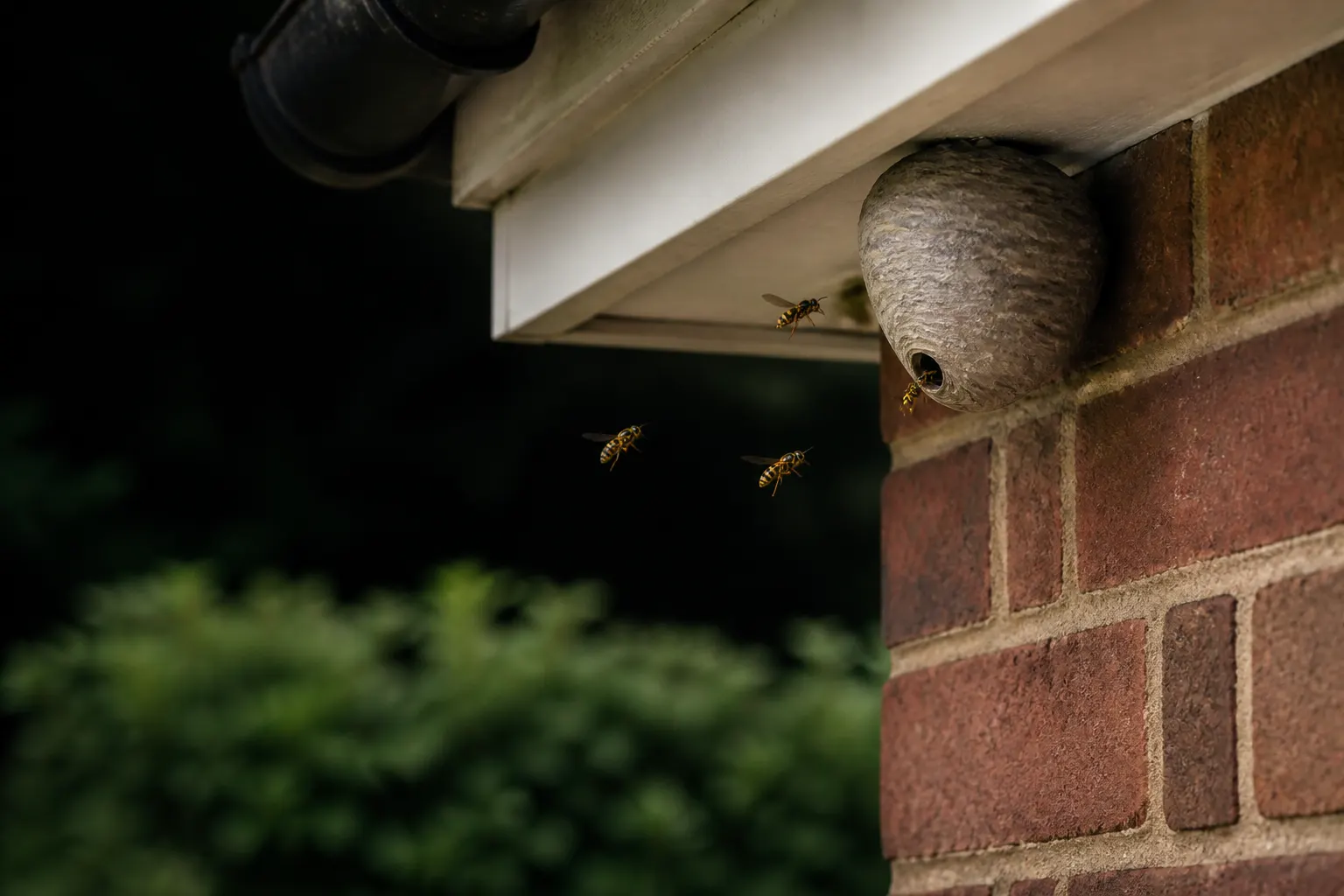
Wasps regularly entering and leaving one roof gap, air brick, shed or ground point can indicate a nest.
Wasp nest advice and treatment across Kent
Professional help with active wasp nests and repeated flight activity around roofs, lofts, walls, trees, sheds and gardens.
Understanding the problem
Social wasps live in seasonal colonies and build paper nests from chewed wood fibre. Nests may be found in lofts, wall cavities, roof edges, sheds, hollow trees, bushes or sheltered ground locations.
Repeated wasps following the same route into a gap is often more useful than trying to see the nest itself. Bees, solitary wasps and social wasps require different advice, so identification matters before treatment.
What to look for
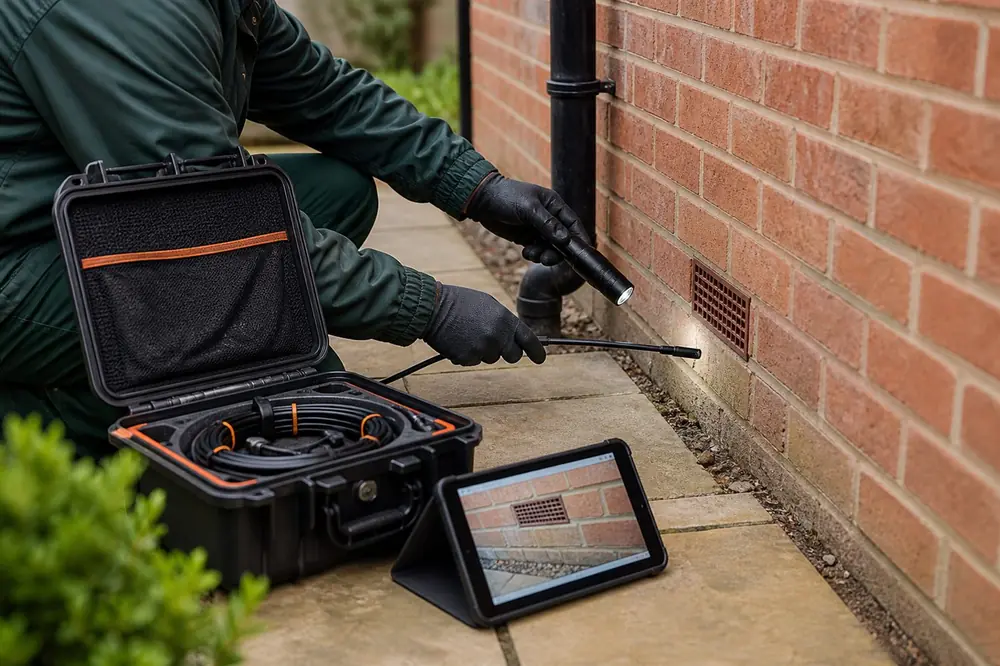
Observe from a safe distance. Do not stand in the flight path, block the entrance or disturb the structure to confirm activity.
Wasps regularly entering and leaving one roof gap, air brick, shed or ground point can indicate a nest.
Concentrated buzzing may be heard from a loft, wall cavity or other enclosed harbourage.
A grey or brown layered paper structure may be visible beneath eaves, in sheds, trees or bushes.
Wasps may react when people, pets, vibration or work approaches the nest entrance.
Why investigate promptly
Professional help with active wasp nests and repeated flight activity around roofs, lofts, walls, trees, sheds and gardens. The effect on a property depends on the pest, level of activity and area involved.
Disturbing a nest or blocking its entrance can increase defensive activity around people and pets.
Roof, loft, wall and tree locations may require suitable equipment and a planned approach.
Nests near doors, paths, gardens, play areas or workplaces can disrupt normal use of the space.
Bee activity, solitary insects and social wasps should not be treated as the same problem.
How the service works
The recommendation is based on the evidence, affected areas, access and how the property is used.
✓Share your postcode, property type, where activity occurs and what you have seen, heard or found.
Request Wasp nest treatment →Describe the signs, timing, rooms or external areas involved.
Evidence, likely sources, access routes and property conditions are considered.
Suitable treatment, preparation and safety requirements are discussed.
Follow-up and practical prevention advice is provided where relevant.
Inspection and treatment
The team considers the insect, nest entrance, height, access and people using the area before recommending treatment. Some activity can continue temporarily after work and expectations will be explained.
Share the flight path, nest location, height and whether bees could be involved.
The entrance, surrounding property and use of the area are considered.
The proposed approach, access and safety requirements are discussed before work.
You are told what activity may remain and when to report a continuing concern.
No. Blocking an active entrance can force wasps to find another route, including further into a building.
Approaching or disturbing an active nest can result in multiple stings. Keep away and request suitable advice.
Photographs and flight behaviour can help, but confident identification may require closer professional assessment.
Before and after the visit
No close inspection is needed from you. Keep the route clear only where this can be done without approaching the nest or placing anyone at risk.
Repair suitable roof, fascia and wall defects after active nest activity has ended.
Cover sugary drinks, outdoor food and bins during periods of high wasp activity.
Inspect sheds, lofts and sheltered garden structures periodically without disturbing insects.
Domestic and commercial support
Active nests can affect houses, gardens, schools, hospitality, shops, offices and managed buildings. Access, customers and operating times should be considered.
Discuss a property →

More pest control services
Different pests can create similar signs. If identification is uncertain, share a photograph or describe the evidence so the relevant service can be recommended.
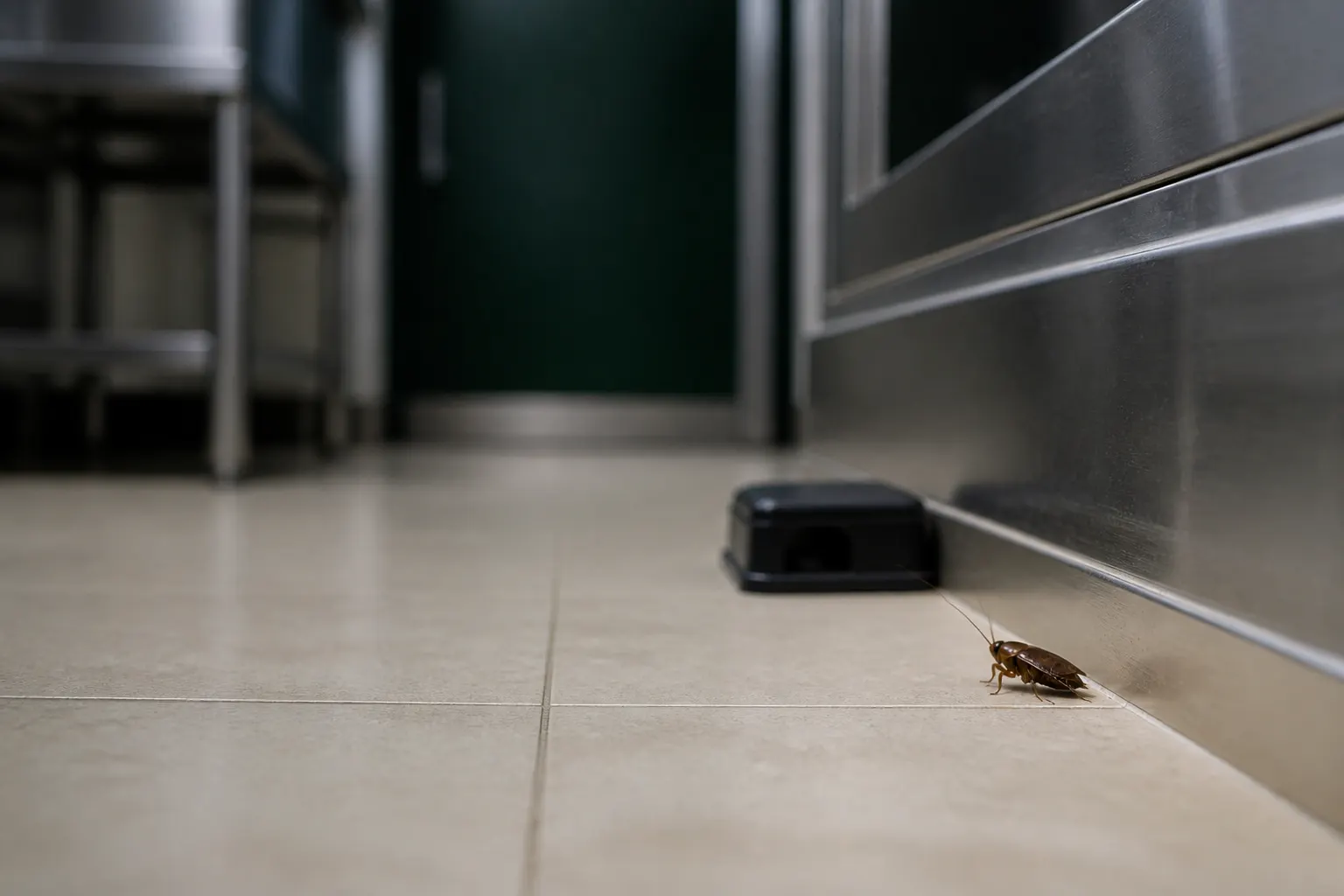
Professional help with ants, cockroaches, flies, moths and other crawling or flying insects in homes and commercial premises.
View Insect control →
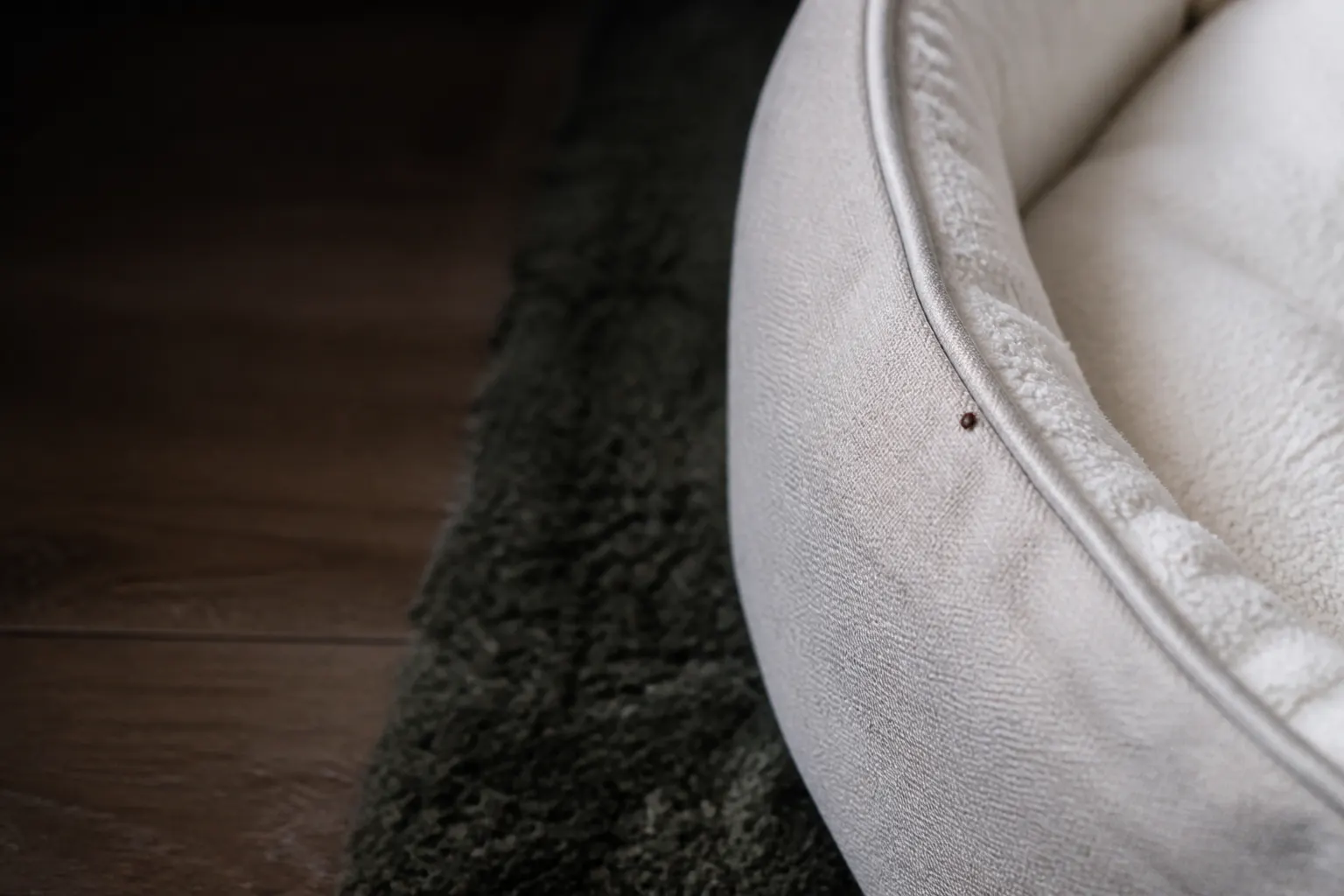
Inspection-led flea treatment with clear preparation advice for carpets, pet bedding, furniture and other affected areas.
View Flea control →
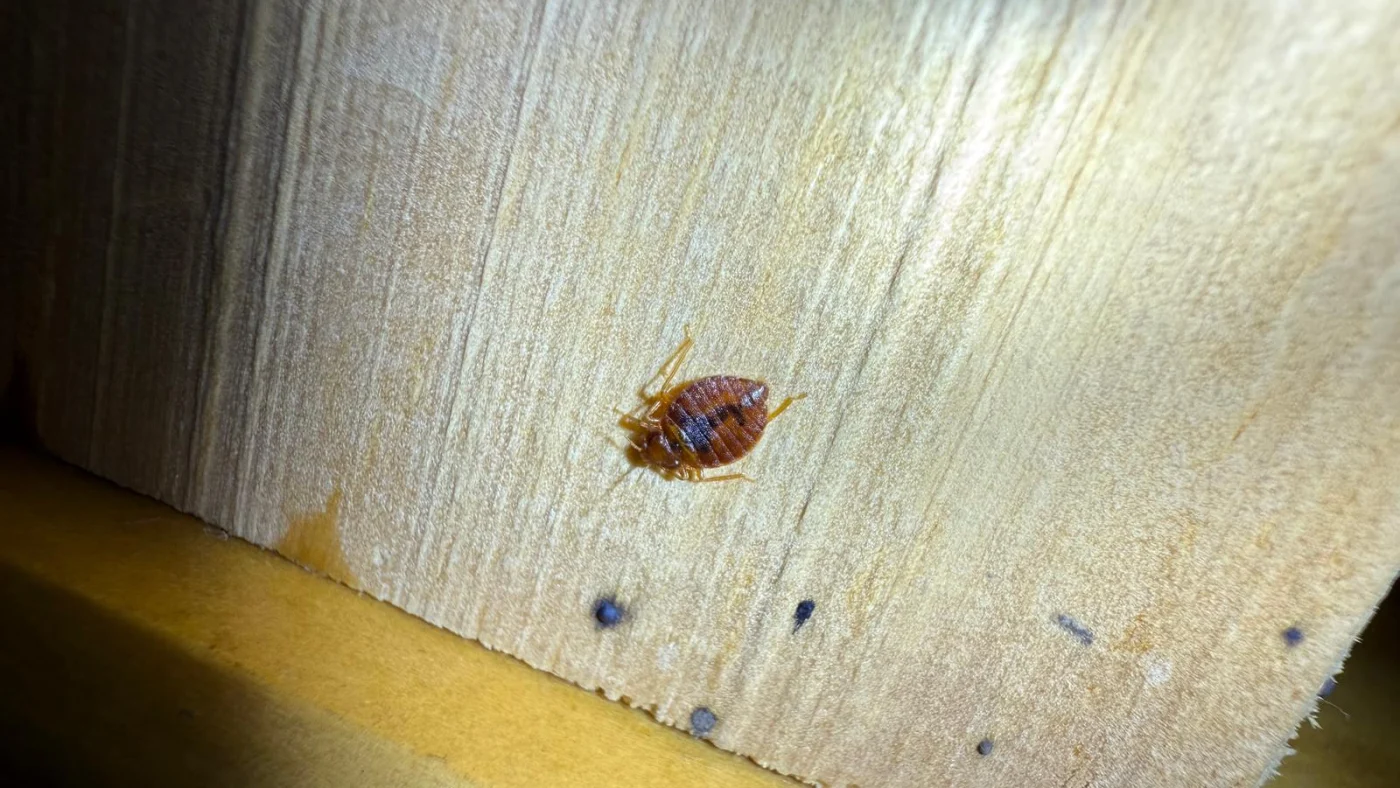
Discreet, inspection-led help with bed bugs in homes, hotels, rental properties and other sleeping accommodation.
View Bed bug treatment →Local service coverage
Kent Pest Control supports properties throughout the county. Share your postcode and the affected area to confirm the appropriate next step.
Check your postcode →⌖Outside these towns?Send your postcode to check coverage across Kent and surrounding communities.
Wasp nest treatment FAQs
Call the team if your activity, access or safety concern is not covered below.
Call 07534 003 009 →Common locations include lofts, wall cavities, roof edges, sheds, hollow trees, bushes and sheltered ground spaces.
A steady stream of wasps entering and leaving the same point is a common sign, even when the nest itself is hidden.
No. Blocking an active entrance can redirect wasps elsewhere and make the situation more difficult.
Keep a safe distance and send a clear photograph if possible. Identification should come before treatment.
Yes. Domestic and commercial enquiries are supported across Kent, subject to safe access and the nest location.
Request Wasp nest treatment
Share your postcode, property type, where activity occurs and the signs you have noticed. Calling is usually quickest for an immediate concern.