
Small droppings
Dark, rice-sized droppings may appear in cupboards, drawers, stores or along wall edges.
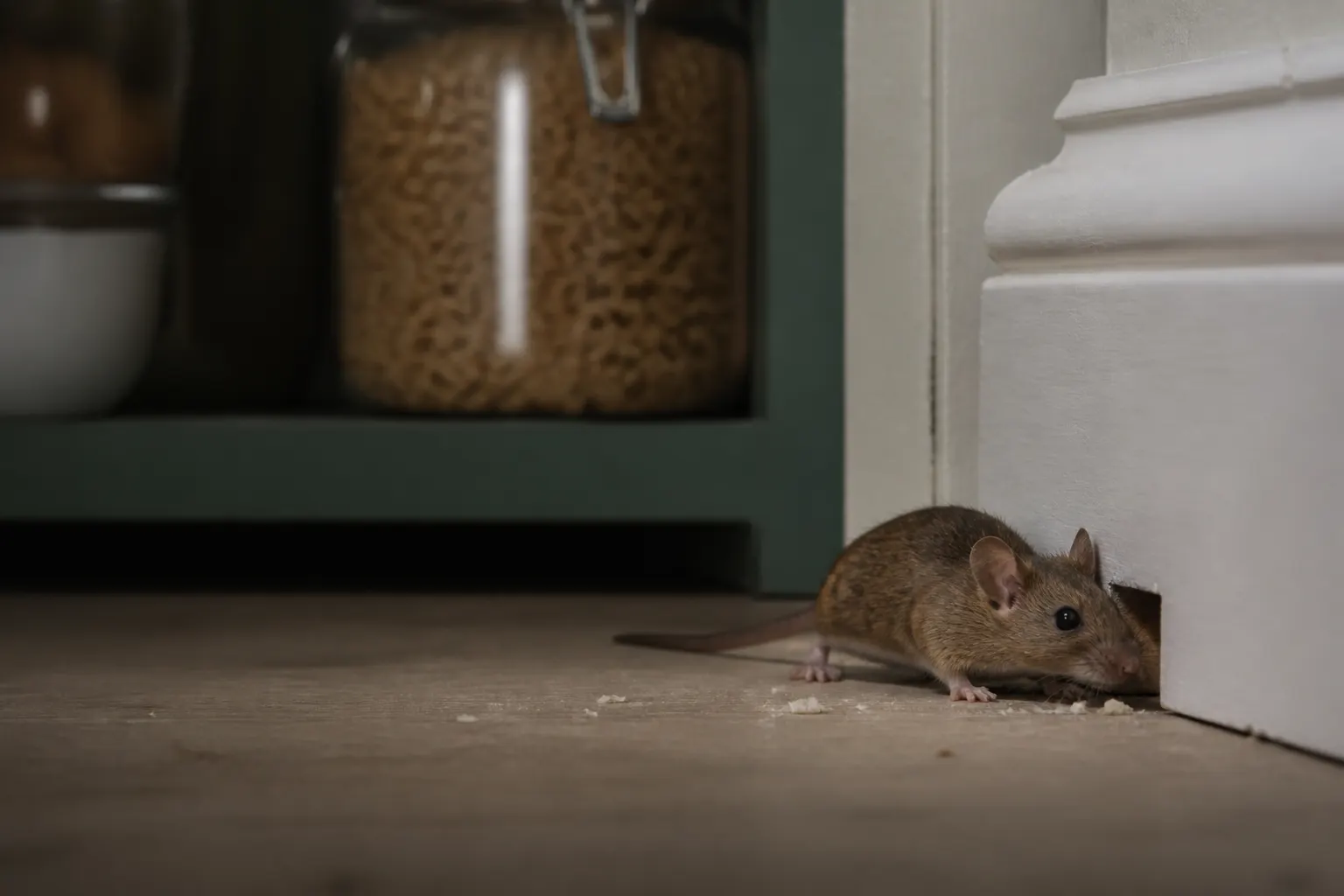
Mouse control for properties across Kent
Help with house mice, droppings, scratching and gnawing in kitchens, wall cavities, lofts, storage areas and commercial premises.
Understanding the problem
The house mouse (Mus musculus domesticus) is small, agile and well adapted to living close to people. Mice use wall cavities, cupboards, lofts, stores and other quiet spaces where food and nesting material are available.
They are often active at night, although daytime sightings can occur when a hiding place is disturbed or activity is established. Small droppings, gnawing and sounds inside walls are useful evidence for an inspection.
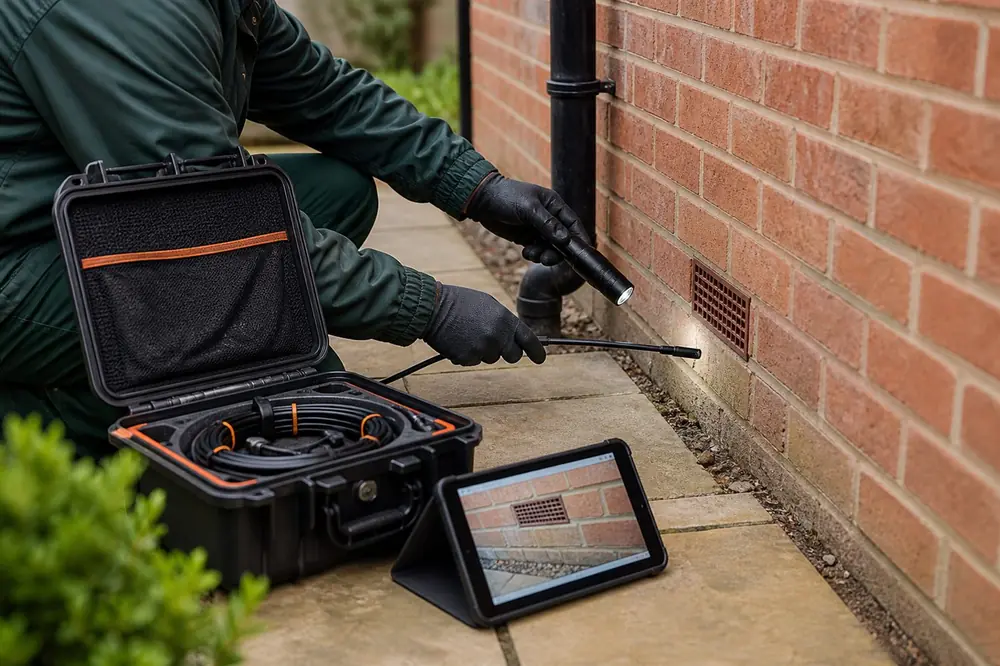
What to look for
Mice can use very small gaps and remain within concealed routes. Several signs together provide stronger evidence than one unexplained noise or mark.
Dark, rice-sized droppings may appear in cupboards, drawers, stores or along wall edges.
Light movement may be heard at night inside walls, ceilings, floors or cupboards.
Packaging, food containers, timber, insulation and cable coverings may show fresh damage.
Shredded paper, fabric or insulation may be gathered in warm, quiet and sheltered spaces.
Why investigate promptly
Help with house mice, droppings, scratching and gnawing in kitchens, wall cavities, lofts, storage areas and commercial premises. The effect on a property depends on the pest, level of activity and area involved.
Wall cavities and small service gaps allow mice to travel between rooms without frequent sightings.
Droppings, urine and gnawing around food or preparation areas create hygiene concerns.
Mice may gnaw packaging, insulation, timber and cable coverings while exploring or nesting.
When food, warmth and shelter are available, a small amount of activity can increase.
How the service works
The recommendation is based on the evidence, affected areas, access and how the property is used.
✓Share your postcode, property type, where activity occurs and what you have seen, heard or found.
Request Mouse control →Describe the signs, timing, rooms or external areas involved.
Evidence, likely sources, access routes and property conditions are considered.
Suitable treatment, preparation and safety requirements are discussed.
Follow-up and practical prevention advice is provided where relevant.
Inspection and treatment
Mouse control needs to account for hidden routes, food sources, nesting areas and openings around services or building fabric. The inspection informs the control and proofing sequence.
The location of droppings, sounds, damage and food activity helps focus the inspection.
Wall edges, cupboards, voids, lofts, services and storage areas are considered.
Suitable measures, access needs and monitoring are explained for the property.
Appropriate gap closure, food storage and follow-up advice is provided where relevant.
Yes. House mice can use surprisingly small openings around pipes, cupboards, doors and the building fabric.
Mice often move at night and use concealed wall, floor and ceiling routes. Noise and droppings may be noticed before a sighting.
The sequence matters. Active routes and mice inside the building should be considered before openings are closed.
Before and after the visit
Leave the evidence in place where practical and make cupboards, loft hatches or affected storage areas accessible without disturbing unsafe material.
Use closed containers for food, pet food, bird seed and vulnerable stock.
Keep quiet storage areas organised so new droppings or damage can be seen.
Suitable gaps around services, cupboards and external doors can be addressed at the correct stage.
Domestic and commercial support
House mice can affect domestic kitchens, rented homes, shops, offices, hospitality and stock rooms. The plan should reflect food handling, occupants and operating requirements.
Discuss a property →

More pest control services
Different pests can create similar signs. If identification is uncertain, share a photograph or describe the evidence so the relevant service can be recommended.
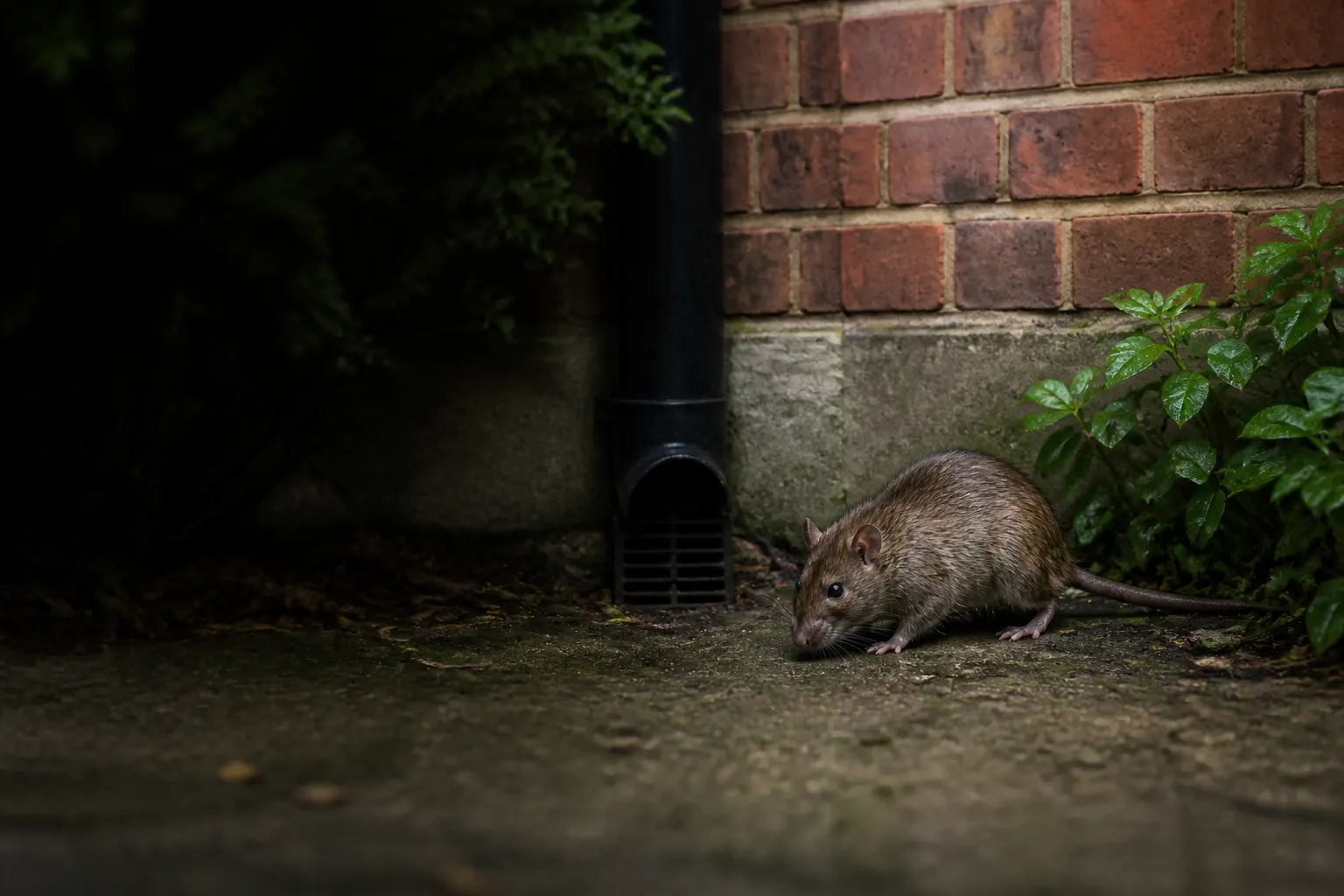
Inspection-led help with rat activity around homes, lofts, gardens, drains, farms and commercial premises across Kent.
View Rat control →
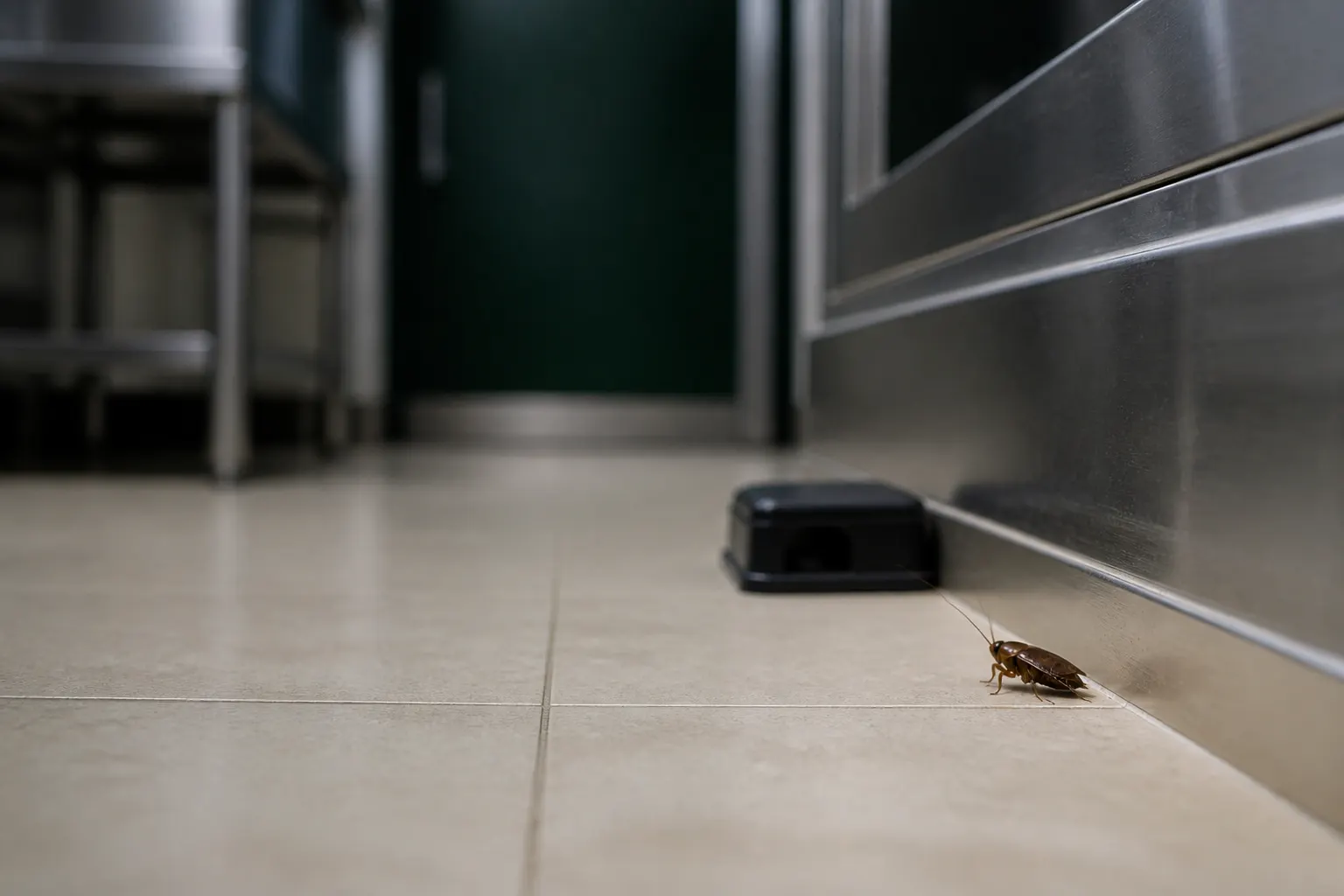
Professional help with ants, cockroaches, flies, moths and other crawling or flying insects in homes and commercial premises.
View Insect control →
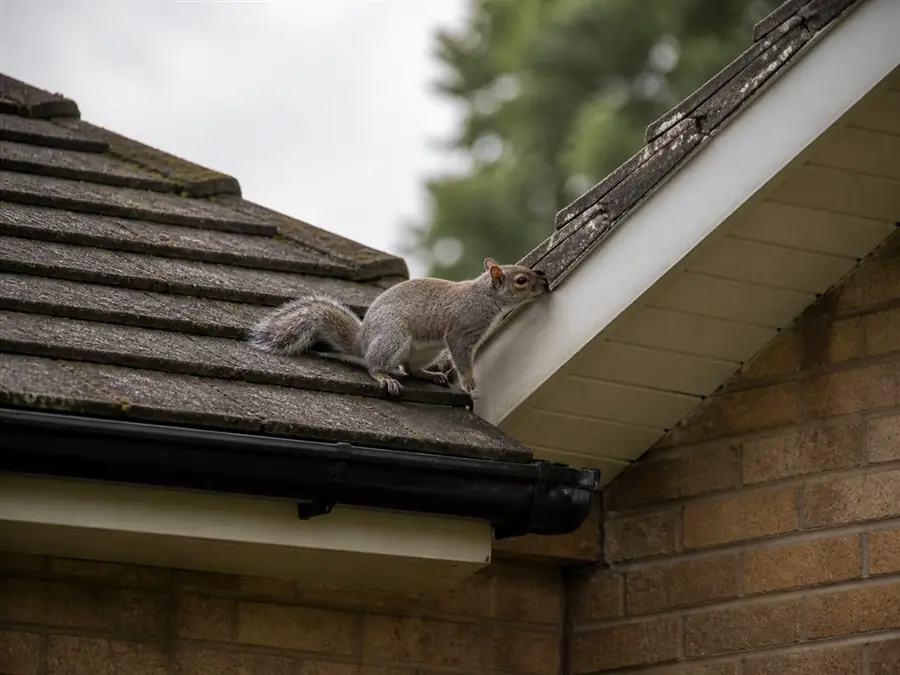
Help with squirrels entering lofts, roofs and other buildings.
View squirrel control →Local service coverage
Kent Pest Control supports properties throughout the county. Share your postcode and the affected area to confirm the appropriate next step.
Check your postcode →⌖Outside these towns?Send your postcode to check coverage across Kent and surrounding communities.
Mouse control FAQs
Call the team if your activity, access or safety concern is not covered below.
Call 07534 003 009 →They are usually small, dark and similar in shape to grains of rice. Their location and freshness should be considered with other evidence.
Food, warmth, water from food and small access gaps can make kitchens and adjoining voids suitable.
They are commonly active at night, but daytime movement may occur if a hiding place is disturbed or activity is established.
Mice can gnaw cable coverings, packaging, insulation and other materials, so visible damage should be reported.
Yes. Domestic and commercial enquiries are supported across Kent, subject to access, location and the evidence found.
Request Mouse control
Share your postcode, property type, where activity occurs and the signs you have noticed. Calling is usually quickest for an immediate concern.