
Repeated sightings
Regular insects in the same room, cupboard, drain or wall edge can indicate a nearby source.
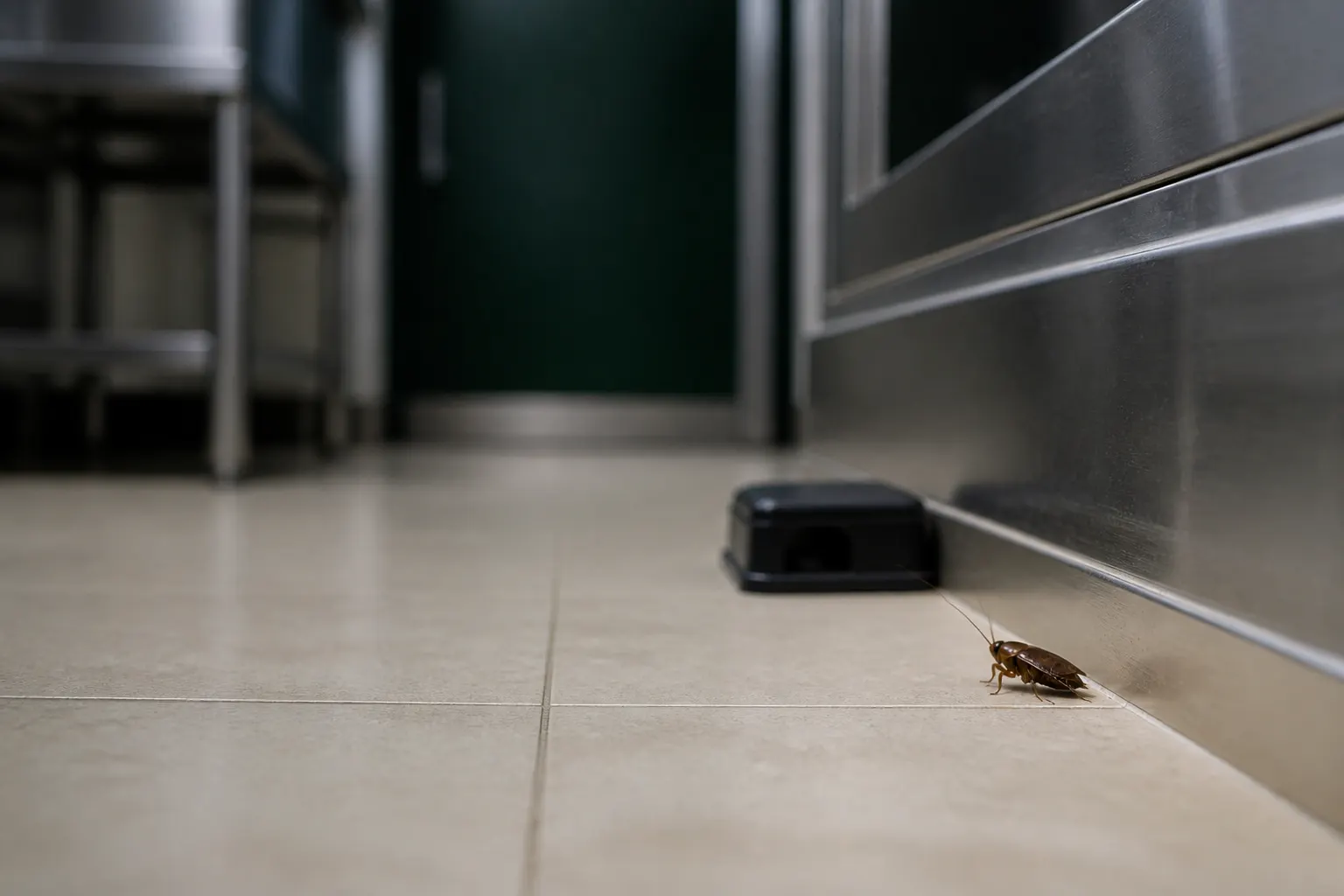
Identification-led insect control across Kent
Professional help with ants, cockroaches, flies, moths and other crawling or flying insects in homes and commercial premises.
Understanding the problem
Insects vary greatly in behaviour, life cycle, food source and preferred harbourage. Ants may follow established trails, cockroaches can remain hidden around warmth and food, flies may breed in decaying material, and moth larvae can affect fabrics or stored products.
A useful inspection establishes what insect is present, where activity is concentrated and which conditions support it. That evidence allows the treatment and prevention advice to match the actual pest.
What to look for
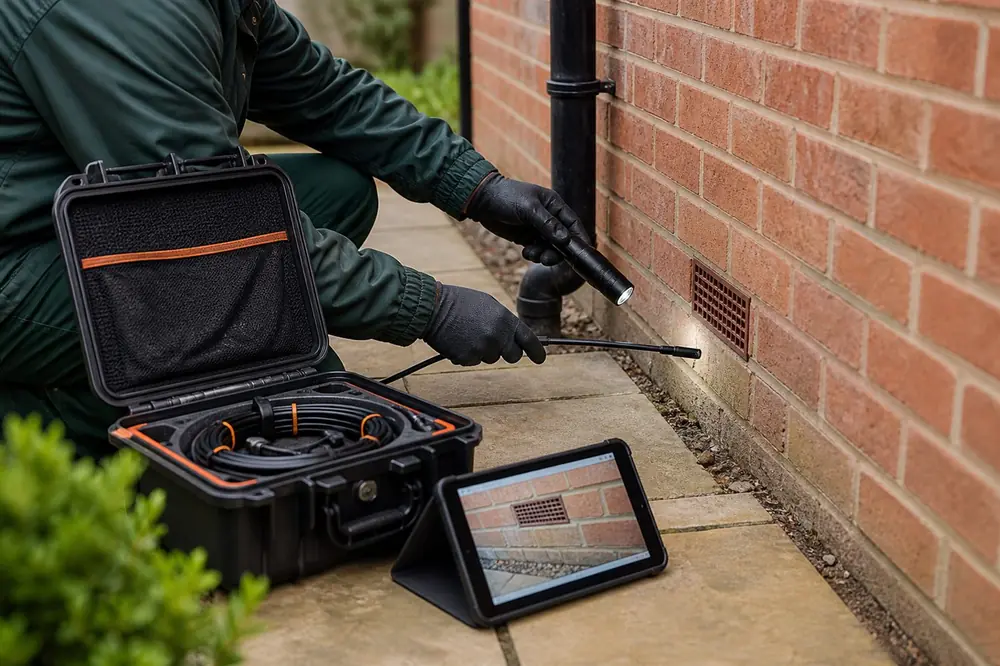
Photographs, specimens and the exact location of activity can be valuable. Avoid assuming every small insect needs the same treatment.
Regular insects in the same room, cupboard, drain or wall edge can indicate a nearby source.
Ant trails or flies repeatedly using one window, waste area or ceiling point help locate activity.
Larvae, shed skins, egg cases or webbing may appear around fabrics, food or concealed edges.
Holes, webbing, contamination or unusual debris can affect stored food, packaging or textiles.
Why investigate promptly
Professional help with ants, cockroaches, flies, moths and other crawling or flying insects in homes and commercial premises. The effect on a property depends on the pest, level of activity and area involved.
Eggs, larvae, pupae and adults may occupy different areas and respond differently to control.
Flies, cockroaches and stored-product insects around food areas need careful source investigation.
Some moths, beetles and larvae can affect fabrics, dry food, packaging or stored stock.
Moisture, waste, food residue, warm voids or incoming stock can sustain continued activity.
How the service works
The recommendation is based on the evidence, affected areas, access and how the property is used.
✓Share your postcode, property type, where activity occurs and what you have seen, heard or found.
Request Insect control →Describe the signs, timing, rooms or external areas involved.
Evidence, likely sources, access routes and property conditions are considered.
Suitable treatment, preparation and safety requirements are discussed.
Follow-up and practical prevention advice is provided where relevant.
Inspection and treatment
The service is tailored to the insect and property. A cockroach problem in a commercial kitchen requires a different plan from ants in a home or moth larvae in stored products.
A photograph, specimen or inspection helps establish the likely species or insect group.
Food, moisture, harbourage, drains, products and building routes are considered.
The proposed method and preparation are matched to the pest and setting.
Follow-up, hygiene, stock rotation, exclusion or maintenance advice is provided where relevant.
A clear close-up can be helpful, although an inspection or specimen may be needed for confident identification.
No. The species, number, source and property context determine whether treatment or practical prevention is appropriate.
Often yes. Food handling, customers, stock, operating hours and documentation may affect inspection and control.
Before and after the visit
Keep useful evidence where it can be inspected and avoid deep cleaning the exact activity point until the source has been documented, unless hygiene or safety requires immediate action.
Clean residues, rotate vulnerable stock and manage waste or recycling areas.
Repair leaks and improve conditions around damp voids, drains or condensation where relevant.
Check packaging, dry food, textiles and other products that can introduce insect activity.
Domestic and commercial support
Insect activity can affect homes, restaurants, hotels, shops, offices, warehouses and managed property. Identification, reporting and access should suit the premises.
Discuss a property →

More pest control services
Different pests can create similar signs. If identification is uncertain, share a photograph or describe the evidence so the relevant service can be recommended.
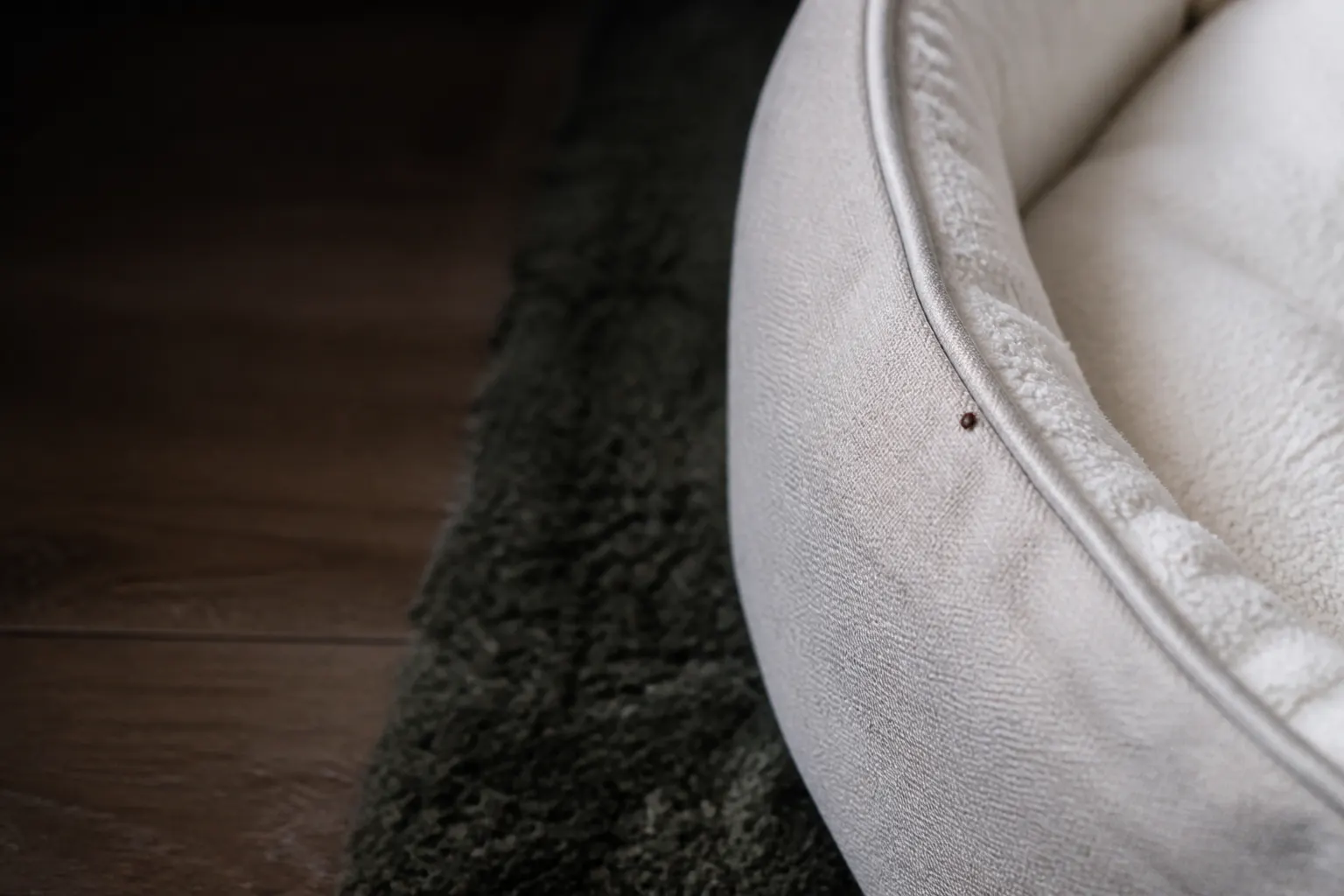
Inspection-led flea treatment with clear preparation advice for carpets, pet bedding, furniture and other affected areas.
View Flea control →
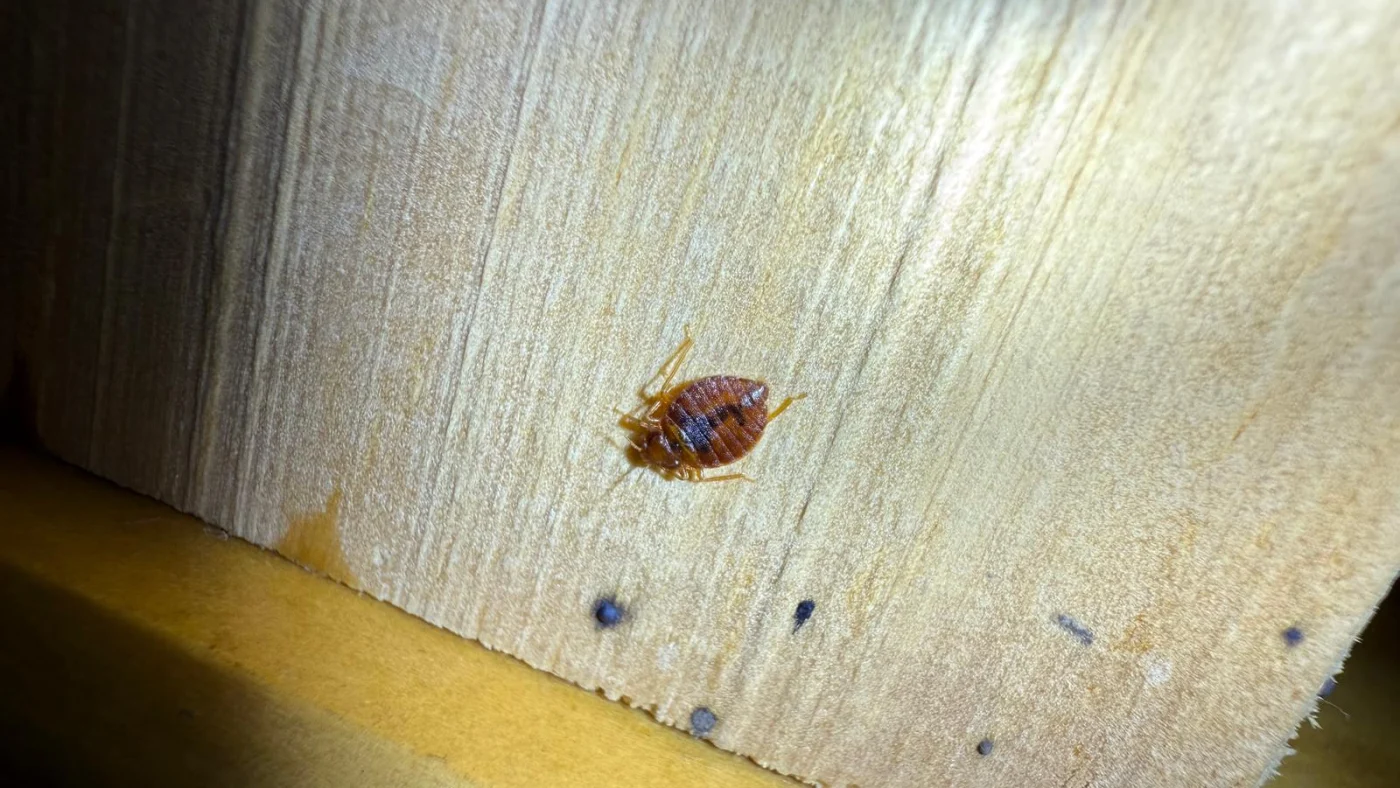
Discreet, inspection-led help with bed bugs in homes, hotels, rental properties and other sleeping accommodation.
View Bed bug treatment →
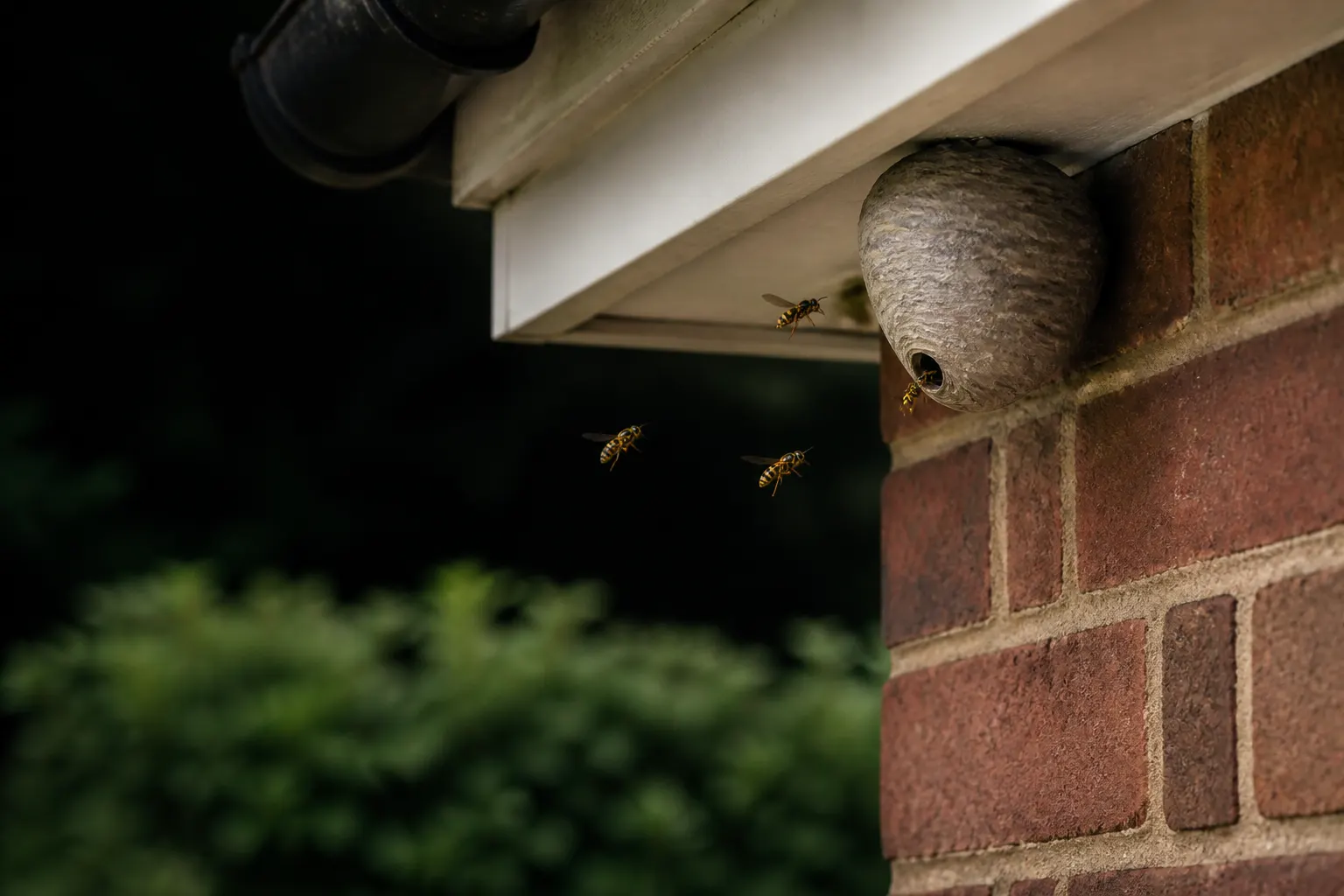
Professional help with active wasp nests and repeated flight activity around roofs, lofts, walls, trees, sheds and gardens.
View Wasp nest treatment →Local service coverage
Kent Pest Control supports properties throughout the county. Share your postcode and the affected area to confirm the appropriate next step.
Check your postcode →⌖Outside these towns?Send your postcode to check coverage across Kent and surrounding communities.
Insect control FAQs
Call the team if your activity, access or safety concern is not covered below.
Call 07534 003 009 →Enquiries include ants, cockroaches, flies, moths, stored-product insects and other crawling or flying pests. Identification is the first step.
Take a sharp close-up beside an object that gives a sense of scale and include where the insect was found.
A breeding source, food, moisture, harbourage, incoming goods or untreated life stages may be sustaining activity.
Yes. Commercial enquiries can be assessed with food handling, operating needs and documentation considered.
It is usually better to identify the insect and source first. Unconfirmed products may scatter activity or obscure useful evidence.
Request Insect control
Share your postcode, property type, where activity occurs and the signs you have noticed. Calling is usually quickest for an immediate concern.