Skip to content
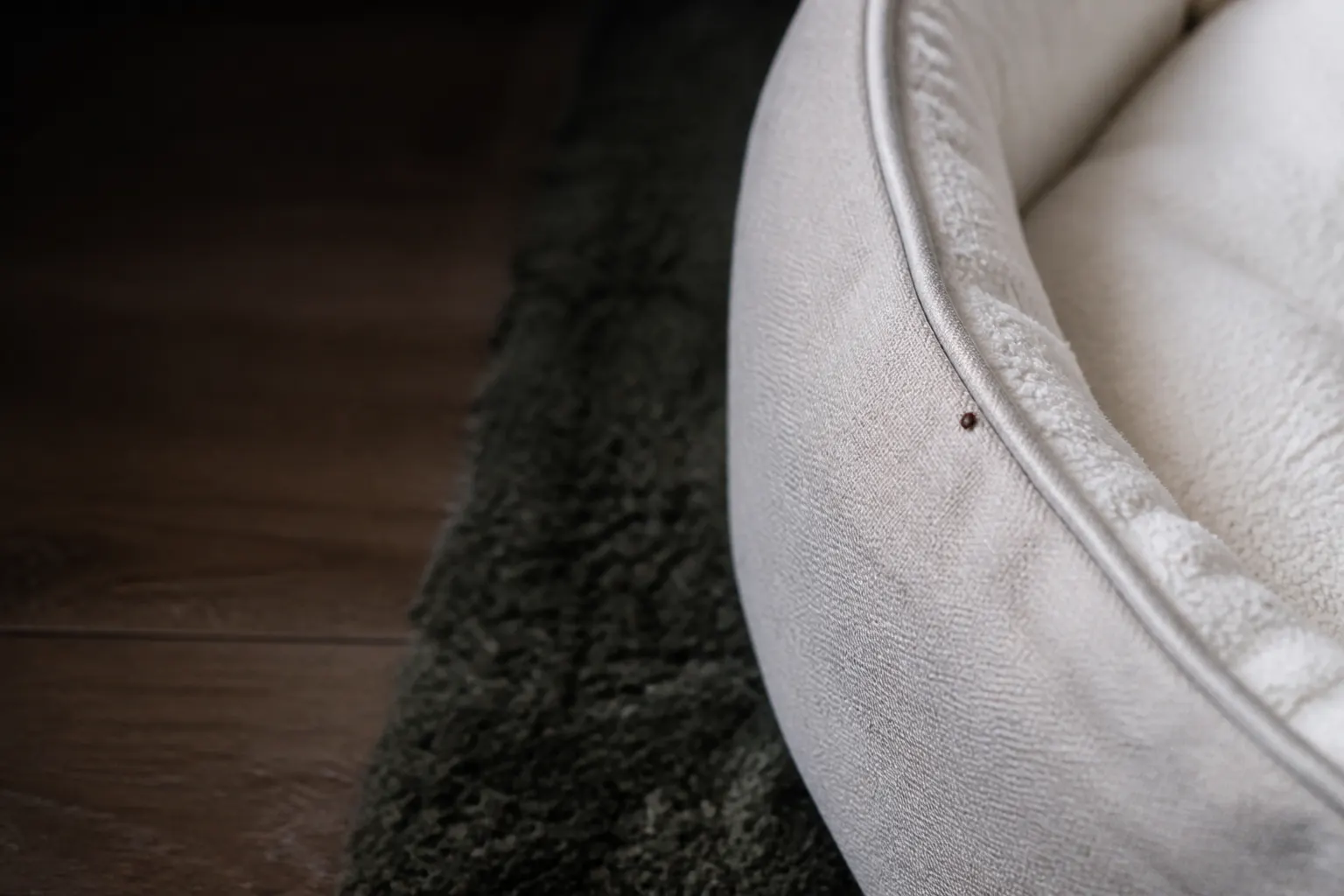
Close inspection of pet bedding and carpet for signs of flea activity

Flea treatment for homes across Kent

Flea control in Kent

Inspection-led flea treatment with clear preparation advice for carpets, pet bedding, furniture and other affected areas.

  • Homes and businesses
  • Kent-wide coverage
  • Clear inspection advice

Understanding the problem

Flea control needs to address the full life cycle

Adult fleas feed on a host, but eggs, larvae and pupae can remain in carpets, floor edges, bedding, furniture and other sheltered areas. This is why visible fleas are only one part of the problem.

Fleas are wingless, flattened insects with strong hind legs for jumping. Cat fleas are a common domestic cause, but homes without a current pet can also experience activity, particularly after animals or occupants have left.

Life-cycle stagesEgg, larva, pupa and adult
Common areasCarpets, bedding and furniture
Important stepCoordinate home and pet care
Arrange an inspection
Pest controller inspecting a possible Flea control problem at a Kent property

What to look for

Common signs of flea activity

Bites alone do not confirm fleas. Look for several signs and consider pets, previous occupants and which rooms are affected.

Bites around lower legs

Small itchy bites may occur around ankles or lower legs, although other causes should be considered.
Pets scratching

Frequent scratching or grooming may be noticed; a veterinary professional should advise on pet treatment.

Small jumping insects

Adult fleas may be seen moving quickly on light fabrics, socks, pet bedding or carpets.

Activity after vacancy

Fleas can emerge when movement returns to a room that has been quiet for a period.

Why investigate promptly

Why flea activity can persist

Inspection-led flea treatment with clear preparation advice for carpets, pet bedding, furniture and other affected areas. The effect on a property depends on the pest, level of activity and area involved.

Discuss the property
01

Several life stages

Eggs, larvae, pupae and adults occupy different parts of the home and must be considered together.

02

Protected pupae

The pupal stage can remain sheltered and emerge when movement, warmth and suitable conditions return.

03

Pets and environment

Treating only the animal or only the room can leave another part of the flea cycle unaddressed.

04

Multiple affected rooms

Movement by people, pets or belongings may distribute activity beyond one resting area.

How the service works

A clear process from first enquiry to next steps

The recommendation is based on the evidence, affected areas, access and how the property is used.

Share your postcode, property type, where activity occurs and what you have seen, heard or found.

Request Flea control
  1. Step 01

    Tell us what is happening

    Describe the signs, timing, rooms or external areas involved.

  2. Step 02

    Inspect the relevant areas

    Evidence, likely sources, access routes and property conditions are considered.

  3. Step 03

    Explain the control plan

    Suitable treatment, preparation and safety requirements are discussed.

  4. Step 04

    Review and reduce recurrence

    Follow-up and practical prevention advice is provided where relevant.

Inspection and treatment

What to expect from professional flea treatment

Preparation and access are important. The plan considers affected rooms, pet resting areas, floor types, furniture and whether veterinary treatment is being coordinated.

  1. Stage 01

    Confirm likely flea activity

    Sightings, bites, pets, previous occupancy and affected rooms are discussed.

  2. Stage 02

    Assess the environment

    Carpets, floor edges, furniture and bedding areas are considered.

  3. Stage 03

    Complete preparation and treatment

    You receive specific vacuuming, laundry, access and safety instructions for the agreed work.

  4. Stage 04

    Monitor emergence

    Expected activity and any follow-up requirement are explained in relation to the flea life cycle.

What to expect

Why might I still see fleas after treatment?

Pupae can be protected within the environment and adults may emerge later. Follow the specific post-treatment and follow-up guidance provided.

Does my pet need treatment too?

A veterinary professional should advise on pet treatment. Coordinating animal and environmental action is important.

Do all rooms need access?

The affected rooms and movement of people or pets determine the scope. The team will explain which areas need preparation.

Talk to the team

Before and after the visit

Preparing your home for flea treatment

Follow the instructions supplied for the agreed treatment. Preparation commonly focuses on access to floor edges, vacuuming and washable bedding, but requirements can vary.

Before treatment

Prepare affected areas

  • Follow the supplied vacuuming guidance
  • Wash suitable pet and household bedding
  • Move small items from floor edges as advised
On the day

Protect occupants

  • Follow instructions for people and pets
  • Provide access to affected rooms
  • Tell the team about aquariums or sensitivities
After treatment

Support the result

  • Observe re-entry and cleaning instructions
  • Continue pet care advised by your vet
  • Report activity according to the follow-up plan

Practical prevention considerations

Maintain pet protection

Use veterinary advice to keep animal flea treatment appropriate and current.

Clean resting areas

Wash suitable bedding and vacuum pet resting areas and floor edges routinely.

Act on early signs

Investigate scratching, jumping insects or bites before activity spreads through more rooms.

Domestic and commercial support

Flea treatment for homes and managed property

Fleas can affect occupied homes, rental properties, hotels, offices and premises previously used by people or animals. Access and preparation should reflect the site.

Discuss a property

  • 01Homes with petsEnvironmental treatment coordinated with veterinary pet care.
  • 02Rental and vacant propertySupport where activity emerges after occupants or animals leave.
  • 03Commercial premisesClear preparation and access planning for affected rooms or work areas.
Commercial property inspection and pest-management discussion in Kent

Local service coverage

Flea control across Kent

Kent Pest Control supports properties throughout the county. Share your postcode and the affected area to confirm the appropriate next step.

Check your postcode
Popular service areas
  • Canterbury
  • Maidstone
  • Medway
  • Ashford
  • Dover
  • Thanet
  • Whitstable
  • Sittingbourne
  • Herne Bay
  • Deal

Outside these towns?Send your postcode to check coverage across Kent and surrounding communities.

Flea control FAQs

Questions about fleas and treatment

Call the team if your activity, access or safety concern is not covered below.

Call 07534 003 009 →
Can a home have fleas without pets?

Yes. Fleas may remain after a previous animal, arrive on visiting animals or emerge in a property after a period of low activity.

Where do flea eggs and larvae live?

They can fall into carpets, floor edges, bedding, furniture and sheltered dusty areas rather than remaining on the host.

What should I do about fleas on my pet?

Contact a veterinary professional for suitable animal treatment and tell the pest-control team what advice or products have been used.

Why is preparation important?

Access to floor edges and affected resting areas helps the treatment reach places where flea life stages may be present.

Are flea bites enough to confirm an infestation?

No. Bites have several possible causes. Sightings, pet activity, room patterns and inspection evidence help with identification.

Request Flea control

Tell us about the fleas problem

Share your postcode, property type, where activity occurs and the signs you have noticed. Calling is usually quickest for an immediate concern.

Request a callback

Fields marked * are required