
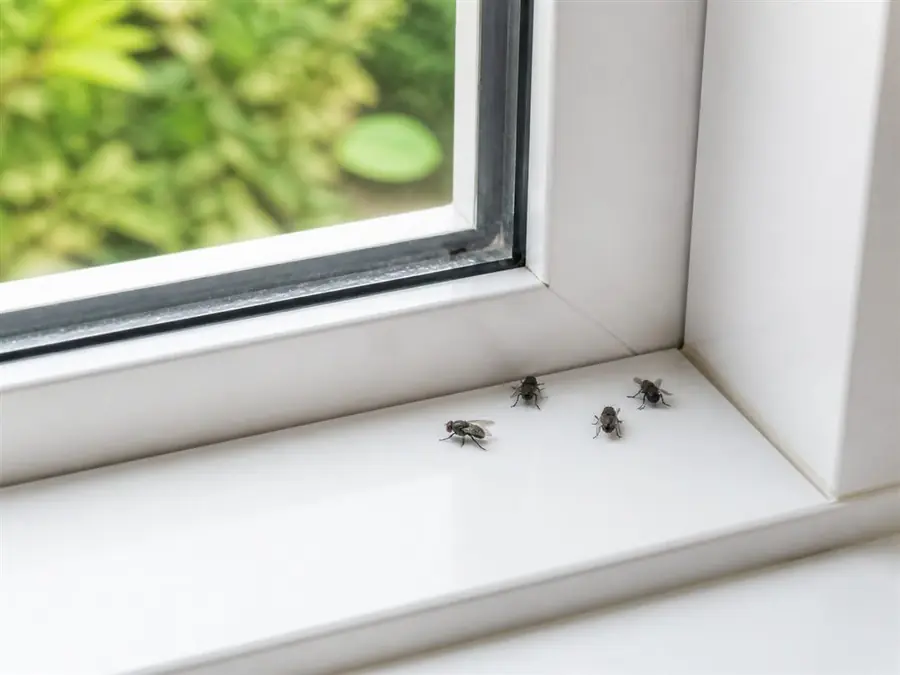
Small insects can be difficult to identify from a quick sighting. Good preparation helps an inspector examine the affected areas efficiently and understand the conditions surrounding the activity.
Keep a record of what you notice
Write down where the insects were seen, the approximate time, how often they appear and whether bites or marks occur after using a particular room. If you can safely capture a specimen in a sealed clear container or take a focused photograph, this may support identification.
Before the appointment
Vacuuming may form part of later treatment preparation, but ask for instructions before carrying out an intensive clean that could remove useful evidence. Make affected rooms accessible, reduce floor clutter and point out cracks, loose flooring, pet resting areas and recently moved furniture.
If pets live at the property, explain which animals use each room and whether veterinary flea treatment is current. Do not apply several household products before an inspection; mixed or poorly targeted treatments can make activity harder to assess and may not address the source.
What the inspection should consider
The visit may include soft furnishings, floor edges, bed frames, storage areas and places where pets rest. The inspector will consider the insect’s life cycle, likely harbourage and how activity may be moving through the building before recommending a plan.
For help with suspected fleas, bed bugs, flies or other insects in Kent, tell us what you have observed and the type of property affected. We will advise you about any preparation needed for your specific appointment.